Why change is the ultimate Leadership Challenge
When organizations talk about transformation, the focus is often on a new strategy, a redesigned process, a technology implementation, or a new organizational structure.
The reality is that transformation is rarely about any of these things alone. The real challenge is helping people move from the way things work today to a different way of thinking, working, and creating value tomorrow.
This is why leading transformation requires far more than a well-structured project plan. It requires leaders to understand the human, organizational, and cultural dynamics that determine whether change actually takes hold.
These are exactly the questions explored by participants in the Executive MBA UZH and most recently in the Change Management module led by Prof. Dr. David Seidl.
As Reshma Ramachandran, Chief Strategy and Transformation Officer and experienced board member, put it: "70% of change initiatives fail. For leaders, understanding how change can be thoughtfully designed, coordinated, and implemented is therefore an essential capability."
Whether one takes this figure literally or not, the message behind it is difficult to ignore: transformation cannot be treated as a purely technical exercise.
Successful change depends on how well leaders design it, communicate it, coordinate it, and ultimately help people navigate it.
One aspect that is particularly important, and often underestimated, is organizational culture.
As Angela Vils, Senior Manager at PwC, highlighted:
"Culture can certainly be influenced, but it cannot simply be designed and rolled out like a new organizational process. Culture emerges from shared experiences, behaviours, incentives, and the signals leaders send, often over many years."
This creates one of the central leadership challenges of transformation.
Leaders must be intentional about driving change while recognizing that culture cannot simply be controlled.
They need to provide direction while remaining open to what emerges along the way. They need to create momentum without underestimating resistance. And they need to recognize that lasting transformation happens when new behaviors become part of how the organization actually operates, not when a project reaches its official end date.
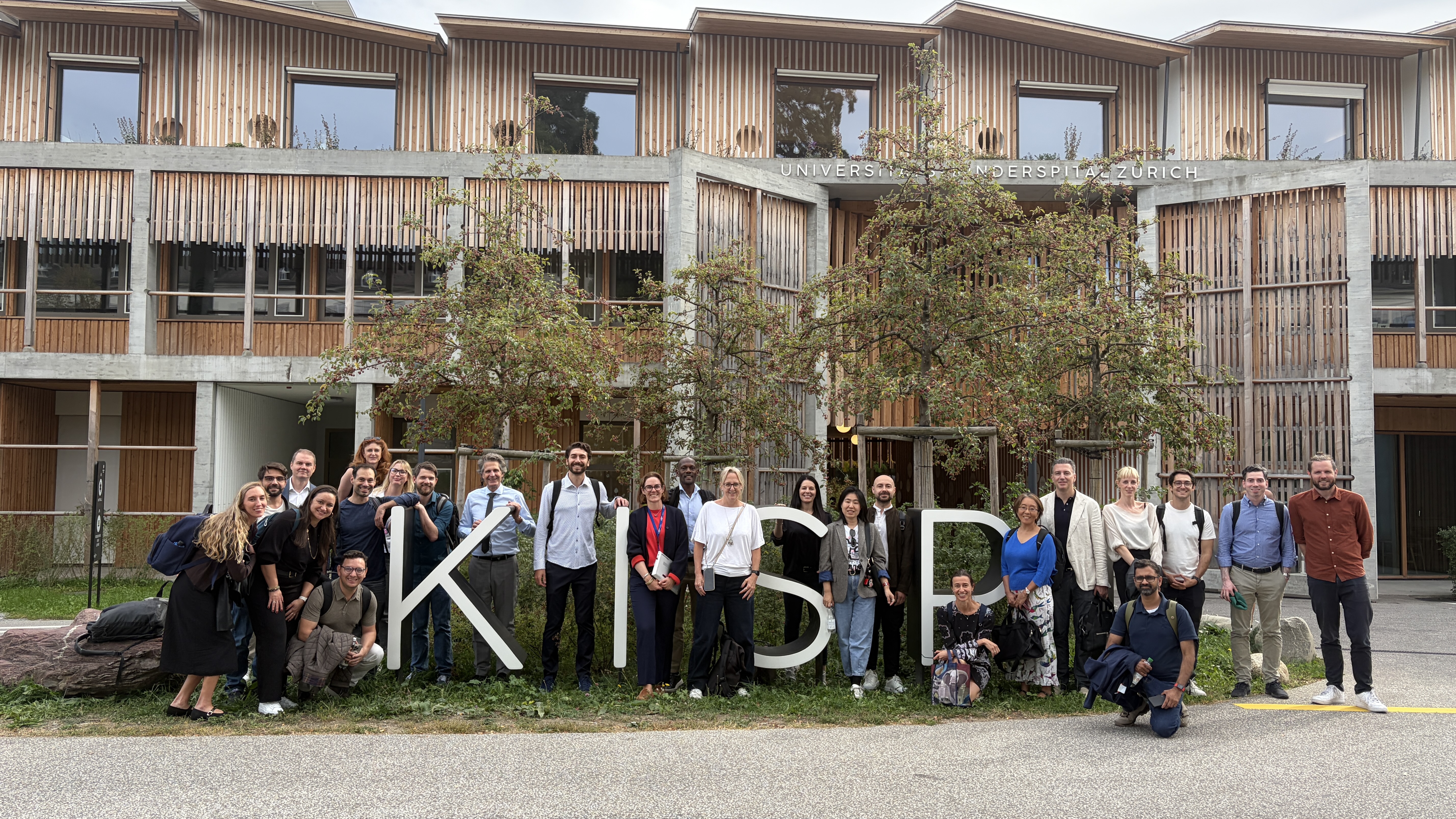
A particularly powerful example came from the University Children's Hospital Zurich (KiSpi), where Luisa Zetting, Head of Business Development, shared insights from the hospital's major transformation and relocation into a new building.
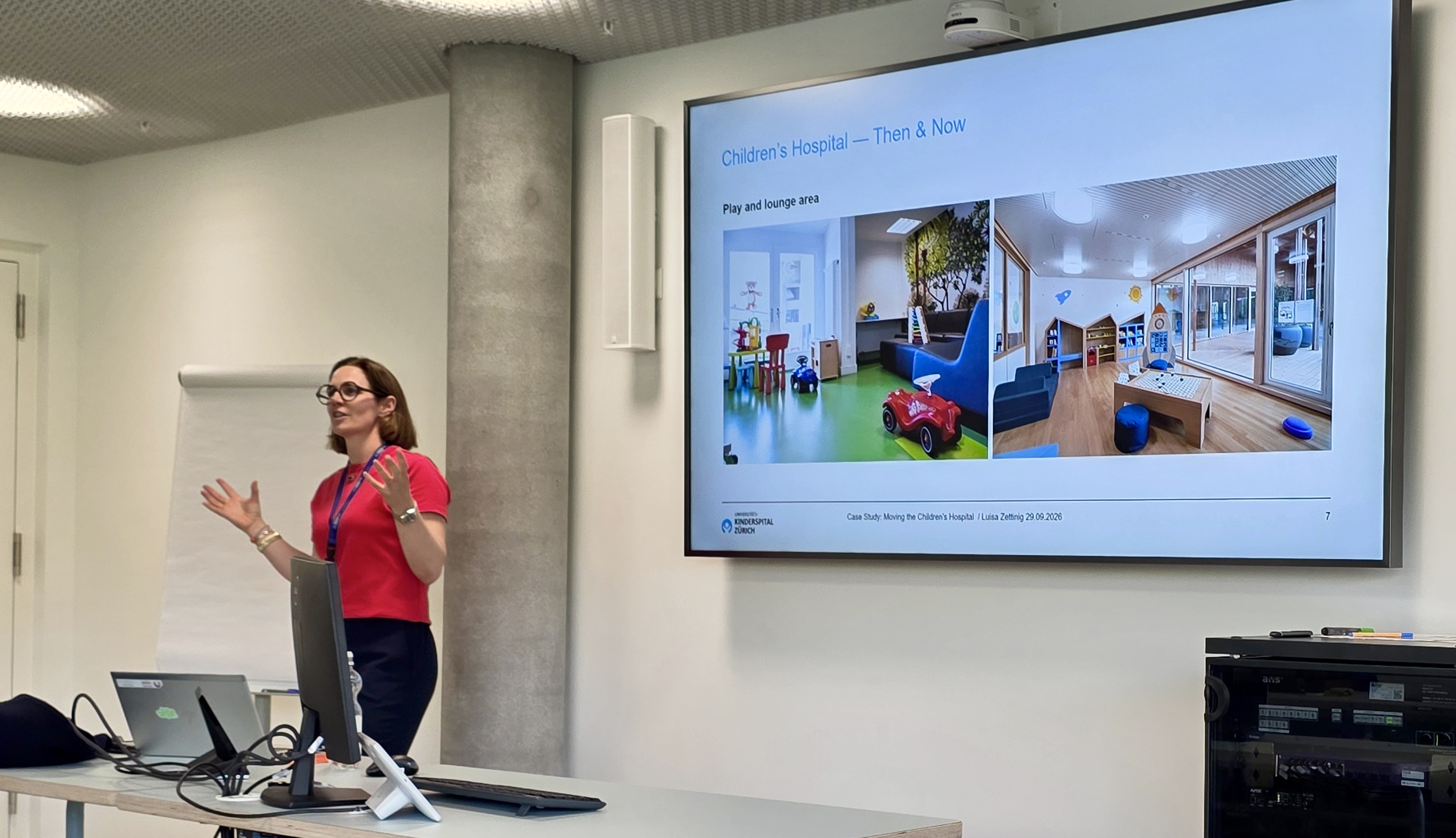
Projects like these make the complexity of transformation tangible. Strategy, processes, technology, physical infrastructure, culture, and people all need to move forward together.
This is ultimately what makes transformation such a demanding leadership challenge.
Luisa said “It is not simply about moving an organization from A to B.It is about creating the conditions in which people are willing and able to make that journey.”
For leaders, this means asking questions that go beyond the transformation roadmap itself:
- What will this change require from our people?
- What needs to evolve in our culture?
- What will make the new way of working credible?
- And how do we lead through the uncertainty in between?
As organizations navigate continuous change, leaders increasingly need answers to exactly these questions.
That is also why transformation and change management are such an important part of the leadership journey at the Executive MBA UZH.
Because leading transformation is ultimately not a project management skill.
It is a leadership capability.
Discover the award-winning Leadership Journey at the Executive MBA UZH here.