Read Boldly.
We are happy to share our knowledge with you. What are you interested in?
All Topics
-

When the Whip Is Gone: What Pass-Through Voting Means for Engagement
Can shareholder engagement remain effective when voting power is dispersed?
-

AI Empathy Evolution: From Polite Responses to Relationship-Based Intelligence
Can AI truly be empathetic? Alex Mari examines how trust, memory, and relationships are shaping AI interactions.
-

-

Andreas Schenker, MAS in Sustainable Finance
-

When Trade Policy Becomes a Stakeholder Test
Geopolitical tensions and trade barriers are making stakeholder engagement a strategic priority. How can organisations effectively live up to competing stakeholder expectations?
-
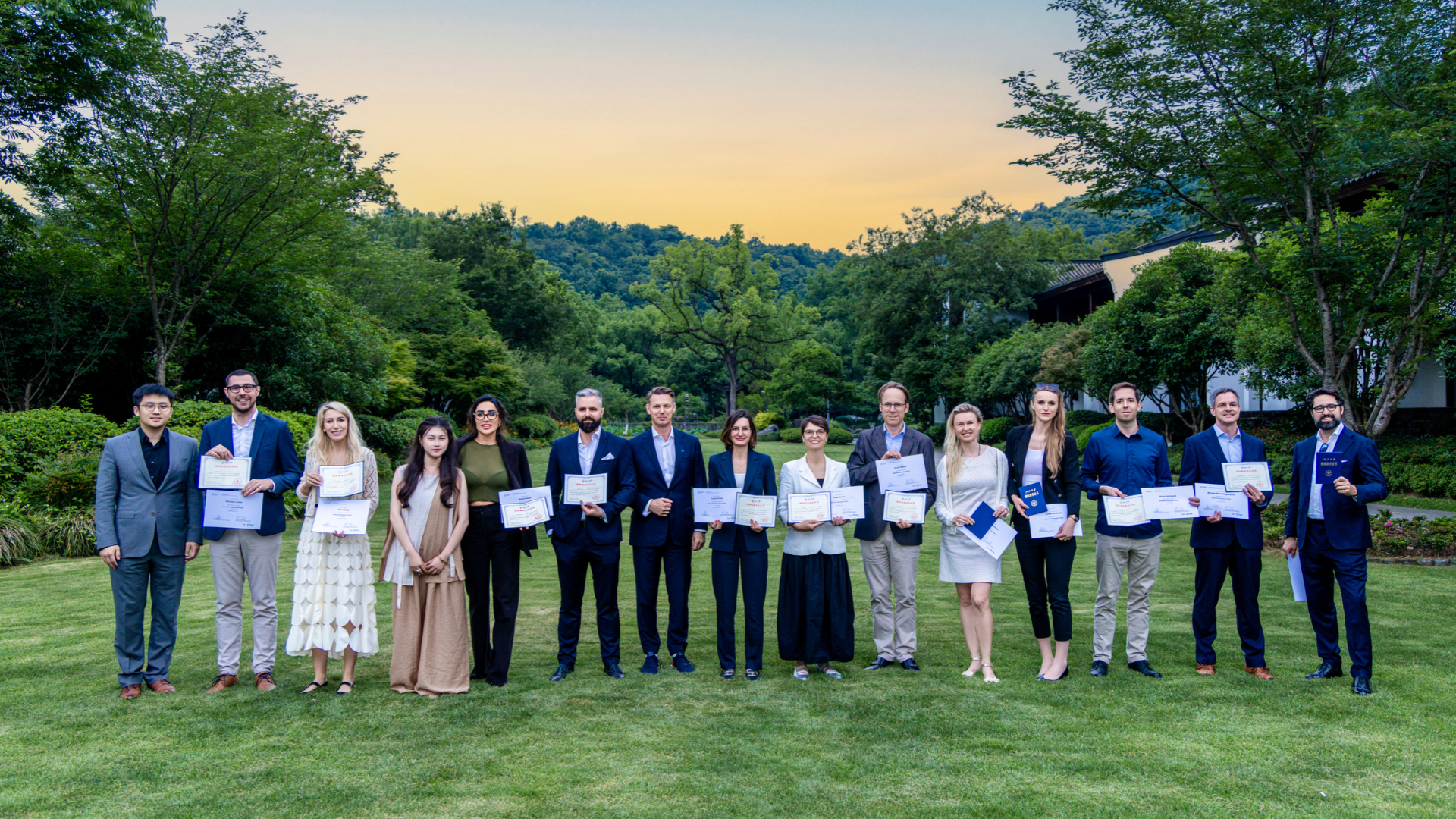
China's AI Transformation: Lessons from the World's Largest Innovation Laboratory
What can business leaders learn from China's AI transformation? This year's Executive Experience China explored how AI is reshaping industries and driving competitive advantage.
-

-
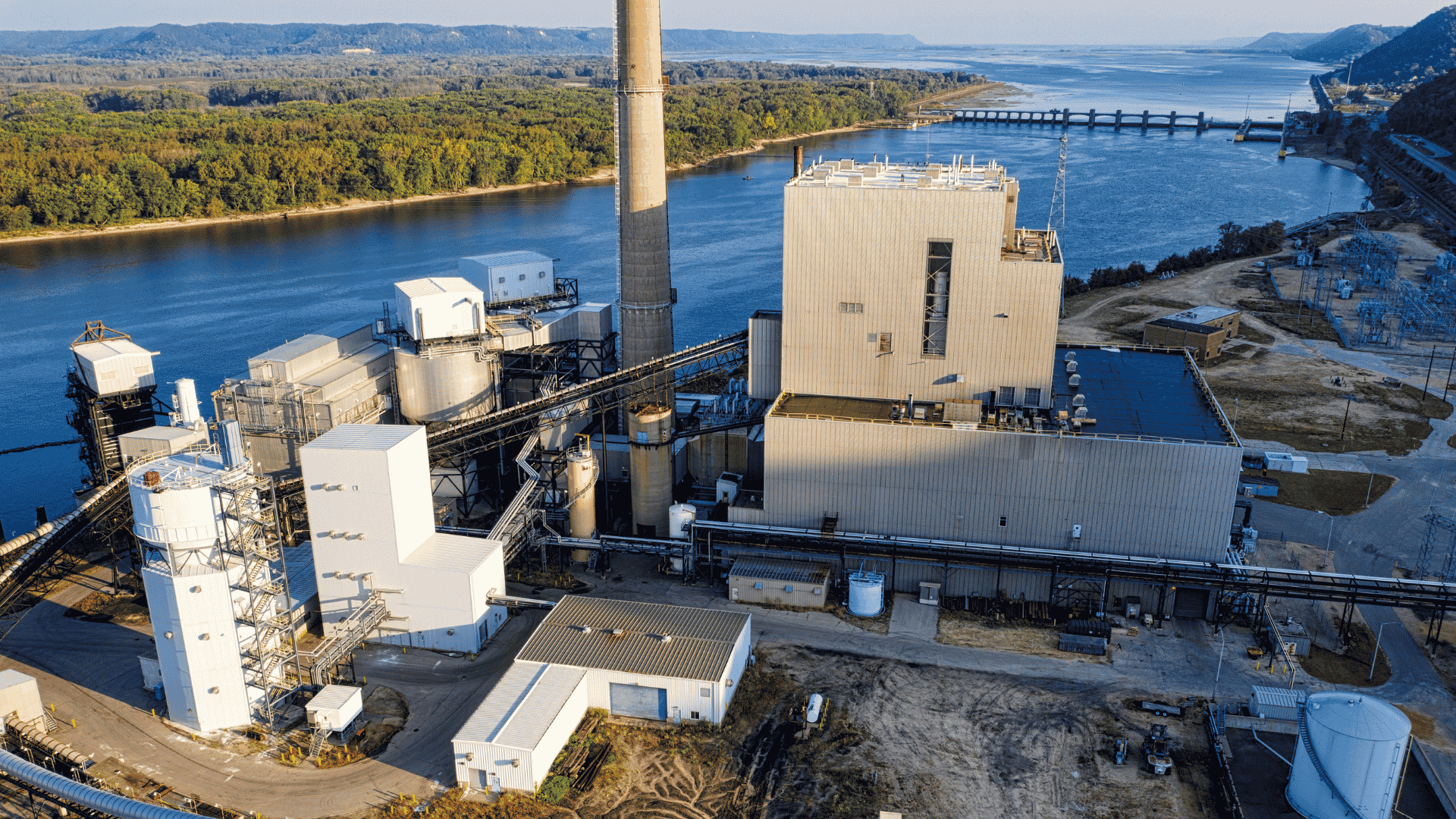
How companies prepare for climate risks
Physical climate risks are becoming an increasingly significant risk for businesses. A new study by Tobias Schimanski examines which adaptation measures firms implement and when these efforts are rewarded by capital markets.
-

Between Record-Breaking Heat and Bank Balance Sheets: Is the Financial Sector Prepared for Climate Change?
-
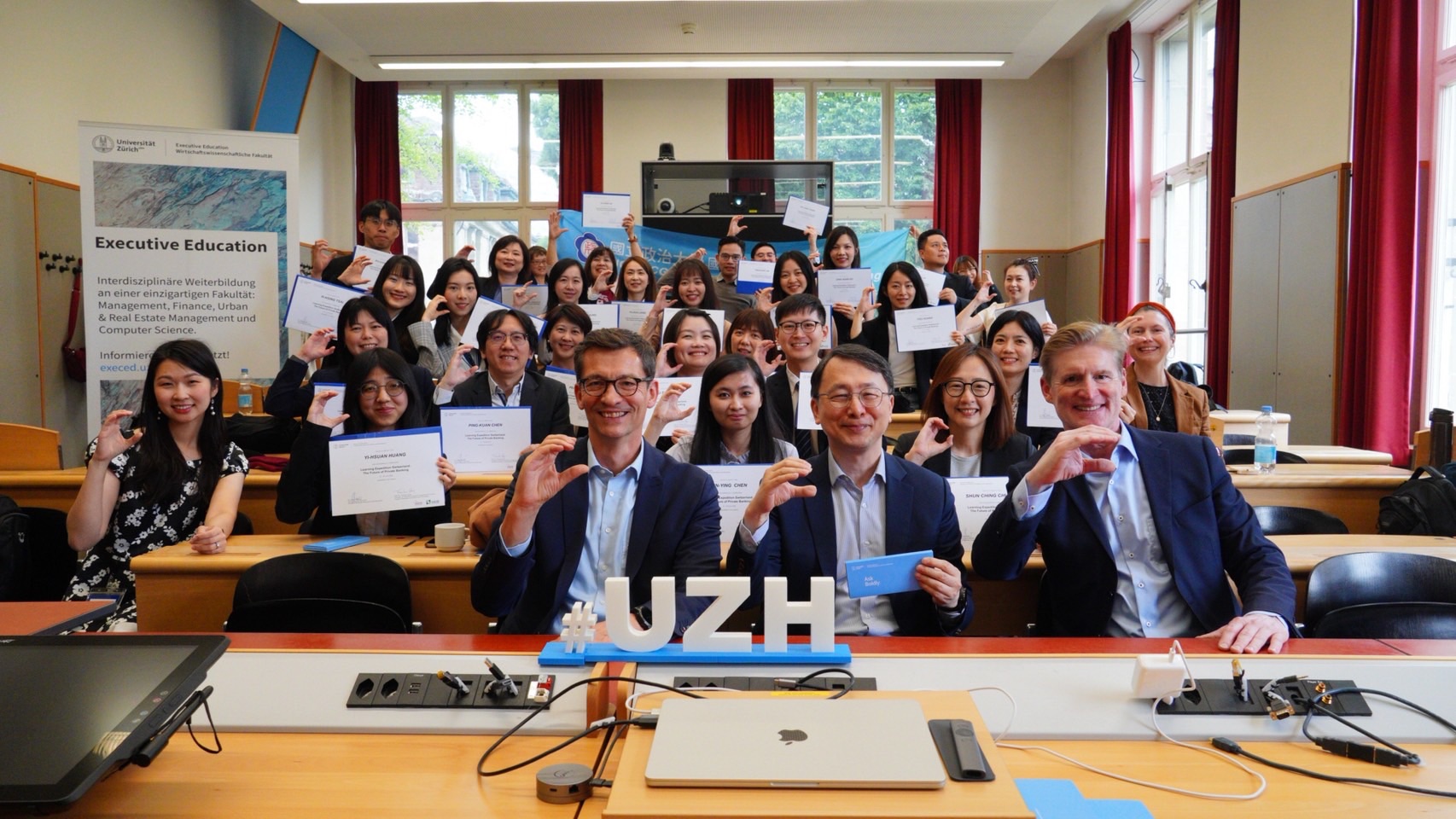
NCCU Students Explore Swiss Private Banking at UZH
In June, UZH Executive Education welcomed a delegation of students from the College of Global Banking and Finance at National Chengchi University (NCCU), Taiwan, for an immersive study tour focused on Swiss private banking.
Text: Penny Lee
-
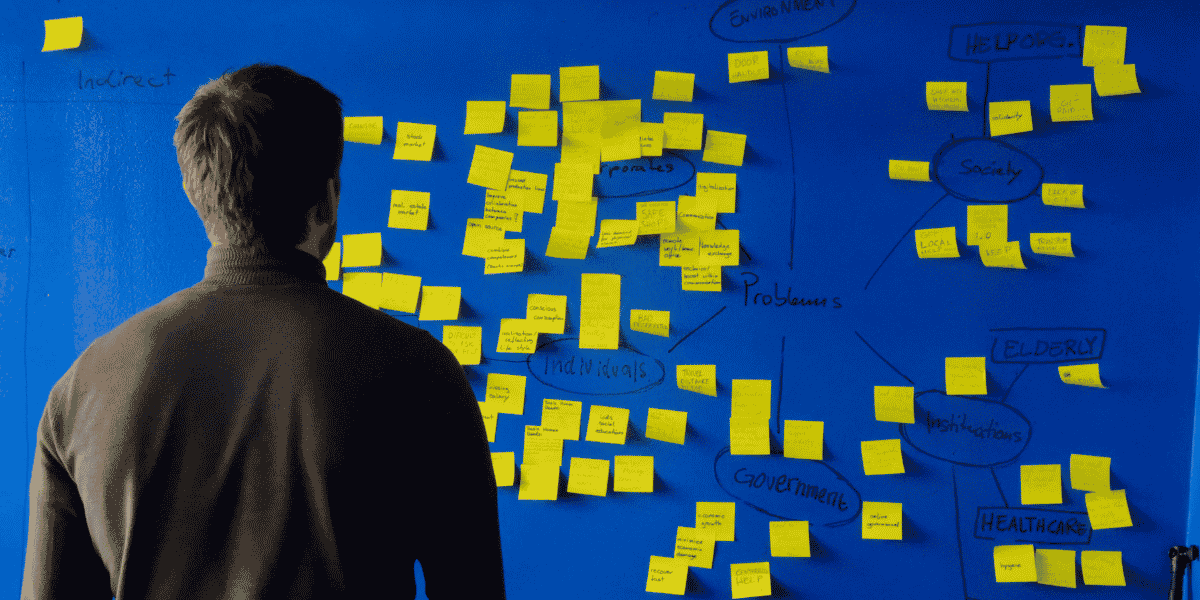
When Experience Alone Is No Longer Enough
In times of uncertainty, experience alone is no longer enough. Professor Amy C. Edmondson explains why learning, adaptability, and the ability to question assumptions are becoming essential for effective leadership.
-

Curiosity as a Guiding Principle
What happens when banks become more cautious? Prof. Per Östberg explores how financial regulation shapes the wider economy and why robust methods are key to understanding these effects.
Text: Jamie Brama
-

Trust is good, due diligence is better
Can corporate ESG disclosures be trusted blindly? Hardly. Sustainability reports, climate strategies and ESG ratings provide valuable indicators for sustainable investing. On their own, however, they are rarely sufficient to reliably assess a company's actual sustainability performance, the extent to which sustainability is embedded in its strategy, and its potential future impact.
Text: Stephan Hirschi
-

Pepita van den Heiligenberg, CAS in General Management
-

Pace, Don’t Push: Living with Long Covid
For people with energy-limiting conditions such as Long Covid, overexertion can lead to days of
exhaustion. MindfulPacer, a smartwatch app developed at the Department of Informatics UZH, helps users manage their energy through biometric reminders and self-reflection.Text: André Meyer
-

-

Too Much Proximity May Affect Team Well-Being
How can people continue to function as a team when they live together in isolation for months on end? A new study by the universities of Zurich and Bern shows that loneliness isn’t the only challenge posed by extreme environments. Constant physical proximity can also amplify conflict, mistrust and social withdrawal.
Text: Prof. Dr. Jan Schmutz
-

“We need a culture for addressing AI errors”
As the National Research Program Digital Transformation (NRP 77) comes to a close, a new wave of digital change, driven by artificial intelligence, is already underway and needs to be addressed, says Abraham Bernstein, professor of informatics and former chair of the NRP 77 steering committee.
Interview: Brigitte Blöchlinger / Translation: Barbara Simpson
-

Negotiations are essential
Whether it’s heated discussions at the dinner table, power politics on the world stage, or Switzerland’s efforts to foster international relations—negotiations are essential.
Article by Dr. Nora Meier
-

Why We Often Approach Conflicts in the Wrong Way
Constructive conflict resolution is not a matter of talent, but of understanding and practice.
Article by Prof. Dr. Jan Schmutz
-
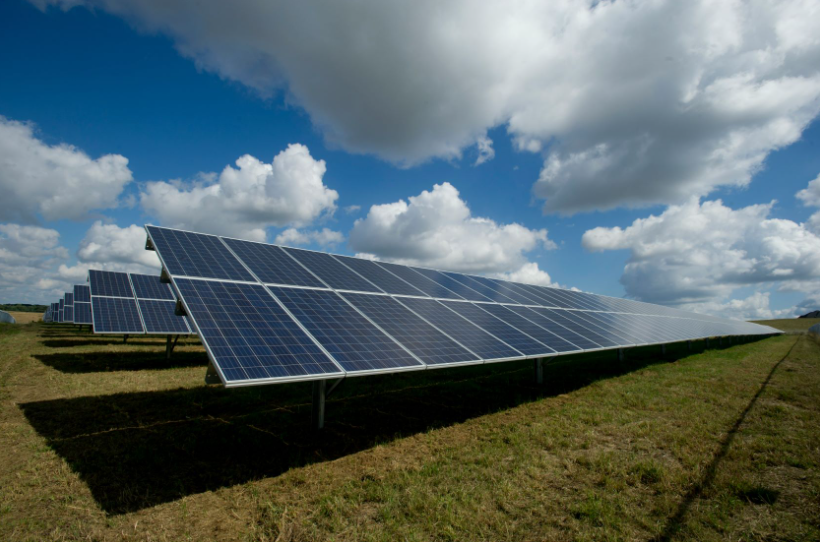
Powering AI: How Do Data Centers Affect Renewable Energy Investment?
Initiative in Sustainable Finance: Research Highlight by Prof. Zacharias Sautner and Co-Authors
-

-

-

Crash insurance for stock portfolios: What put options can really do
How can you protect your portfolio from stock market crashes? Lukas Kots' thesis for the MAS in Finance shows which option strategies work - and what they cost.
-

-

-

Beyond Carbon Pricing: Integrating Mitigation, Adaptation, and Carbon Removal
Initiative in Sustainable Finance: Research Highlight by Markus Leippold and Felix Matthys
-
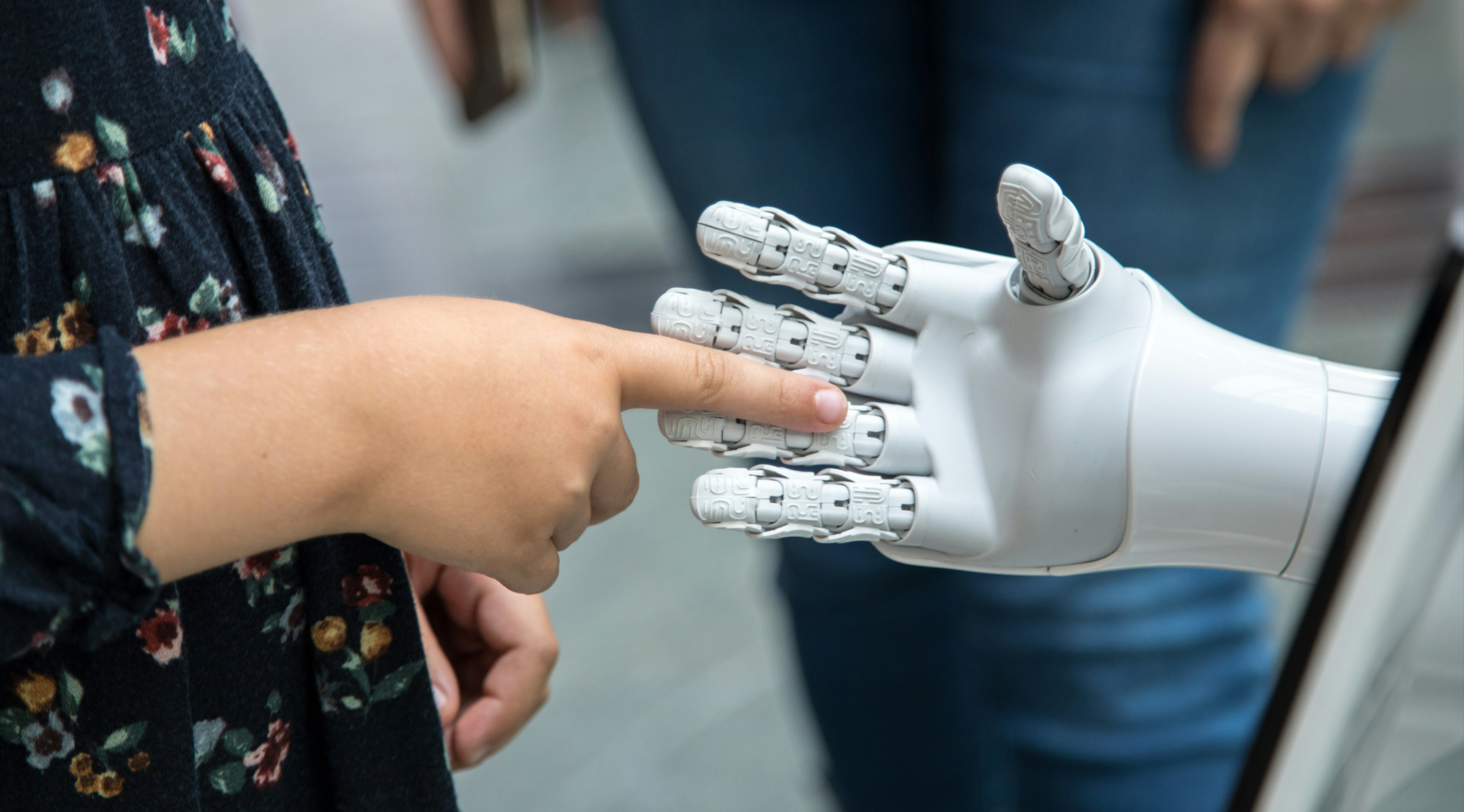
How AI Learns From Us and From Each Other
AI is getting smarter, but can it learn to cooperate? Prof. Giorgia Ramponi and her team are studying how machines can collaborate safely and effectively with people and with each other. Text: Giorgia Ramponi
-

When Insurers Reshape Carbon Risk
Can insurers accelerate the shift to net-zero? A new study by Prof. Zacharias Sautner shows they can – by limiting insurance coverage for carbon-intensive projects. Text: Cornelia Kegele
-

Your LinkedIn Skills Say More About Inequality Than You Think
A recent paper by Prof. David Dorn shows that LinkedIn skills reveal more about earnings and gender gaps than educational qualifications or professional experience. Text: David Dorn
-

Think in terms of needs rather than returns
As Head of Real Estate for the City of Bern, alumna Kristina Bussmann is responsible for over 1,000 buildings and a residential portfolio worth CHF 1.7 billion. Instead of construction sites, she can usually be found in meeting rooms where strategies are decided. Text: Maura Wyler, Photo: Caroline Krajcir
-

Minimum Wages Nudge Firms to Train Workers
Contrary to long-held assumptions, new research by Prof. Katarina Zigova shows that minimum wages in Switzerland can actually encourage firms to invest more in employee training. Text: Katarina Zigova
-

The appeal of real estate economics
Hardly any other market is as much in the social spotlight as the real estate market. Significant interests are at stake, and strict regulations are leading to scarcity and high prices. Five perspectives on the current situation with possible solutions. Text: Fredy Hasenmaile
-

The Economics of Real Estate with Prof. Hilber
Affordability crisis, zoning plans and inelastic supply. Christian Hilber, professor of real estate finance and economics, explains the interdependencies and misconceptions of the housing market. Text: Victoria Watts, photo: Hugh Mitchell
-

Who Pays for Heat in Housing Markets?
When energy prices soared following Russia’s invasion of Ukraine, heating bills became a major strain for millions. A study by Prof. Francisco Amaral and his colleagues reveals who really shoulders the burden – tenants or landlords – and how rising costs deepen housing inequality. Text: Francisco Amaral
-